


Protecting Your Emails
Email is an indispensable communication tool in the business world. Every day, millions
of emails are sent,
files are shared, and critical information is exchanged with customers.
However, in such a high-volume digital environment, data security has become more
important than ever.
Phishing attacks, malware, spoofed email identities, and data breaches can seriously
threaten a company’s
reputation and customer trust.
At ASNSOFT, we believe that secure communication is a cornerstone of digital success.
In this article, we explain the best practices for protecting your emails and highlight
the importance of
professional corporate email management.
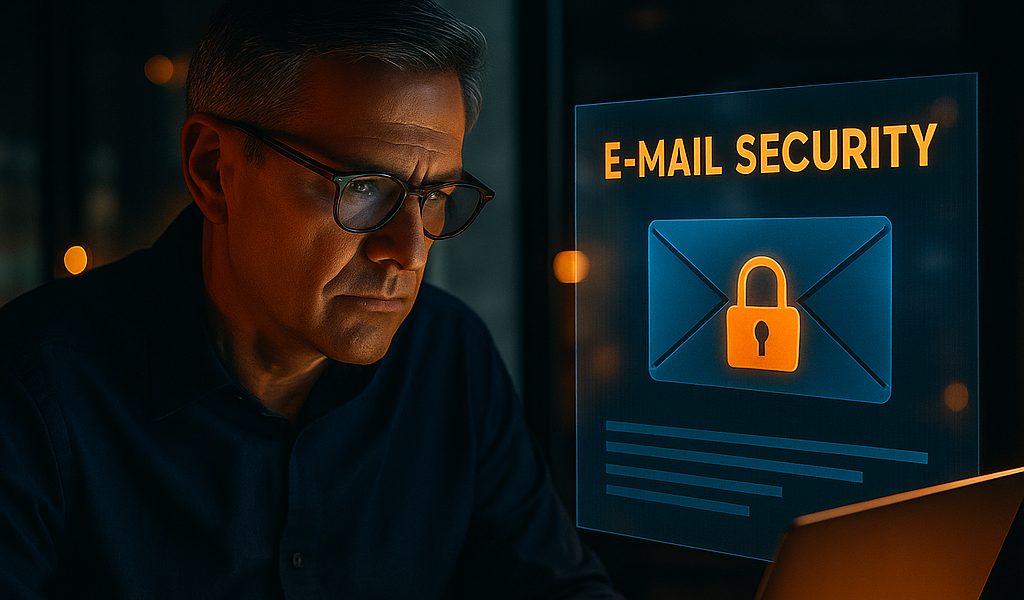
Risks Threatening Email Security
Email systems are among the most frequently targeted areas by cyber attackers.
The following threats represent the most common security risks faced by businesses
today:
Phishing Attacks
Messages sent using fake email addresses or logos attempt to trick users into sharing
passwords or sensitive
information.
A single moment of inattention can compromise an entire corporate system.
Malicious Attachments (Malware & Ransomware)
Innocent-looking PDF or Word files can infect your systems with malicious software.
These attacks often aim to encrypt data and demand ransom payments.
Weak Password Usage
Simple or reused passwords are among the most common causes of compromised email
accounts.
Strong, complex passwords and two-factor authentication should be used for every
account.
Misconfigured Servers
Failure to properly enable security protocols (such as SPF, DKIM, and DMARC) may allow
attackers to send
spoofed emails on behalf of your organization.
Effective Ways to Improve Email Security
Ensuring email security is not only a technical matter but also a matter of
organizational awareness.
Here are the most effective steps recommended by ASNSOFT:
Use a Corporate Email Service:
Instead of free email services (e.g., Gmail, Yahoo, Hotmail), use professional solutions
tied to your corporate
domain name.
This increases brand credibility while keeping data control fully in your hands.
Implement SSL/TLS Encryption:
Ensure that all email traffic is encrypted end-to-end.
This prevents unauthorized third parties from reading your messages.
Enable Authentication Protocols:
Properly configure SPF, DKIM, and DMARC records to verify the authenticity of your
emails.
This step protects your organization against spoofing and impersonation attacks.
Two-Factor Authentication (2FA):
Add an extra layer of security during user login.
Make it mandatory, especially for accounts with sensitive access such as administrators
and finance
teams.
Conduct User Training:
Educate employees on identifying phishing emails, creating strong passwords, and
avoiding suspicious
attachments.
ASNSOFT’s Email Management and Security Approach
At ASNSOFT, we centralize email security for businesses in a single, reliable solution. Our corporate email management services combine high-performance infrastructure, advanced security protocols, and easy-to-use management interfaces to safeguard business communication.
This enables our clients to manage their business processes with confidence through uninterrupted communication and maximum data security.
ASNSOFT
-

-

Mobil Uygulama Geliştirme
05 Mart